A short history to present day.
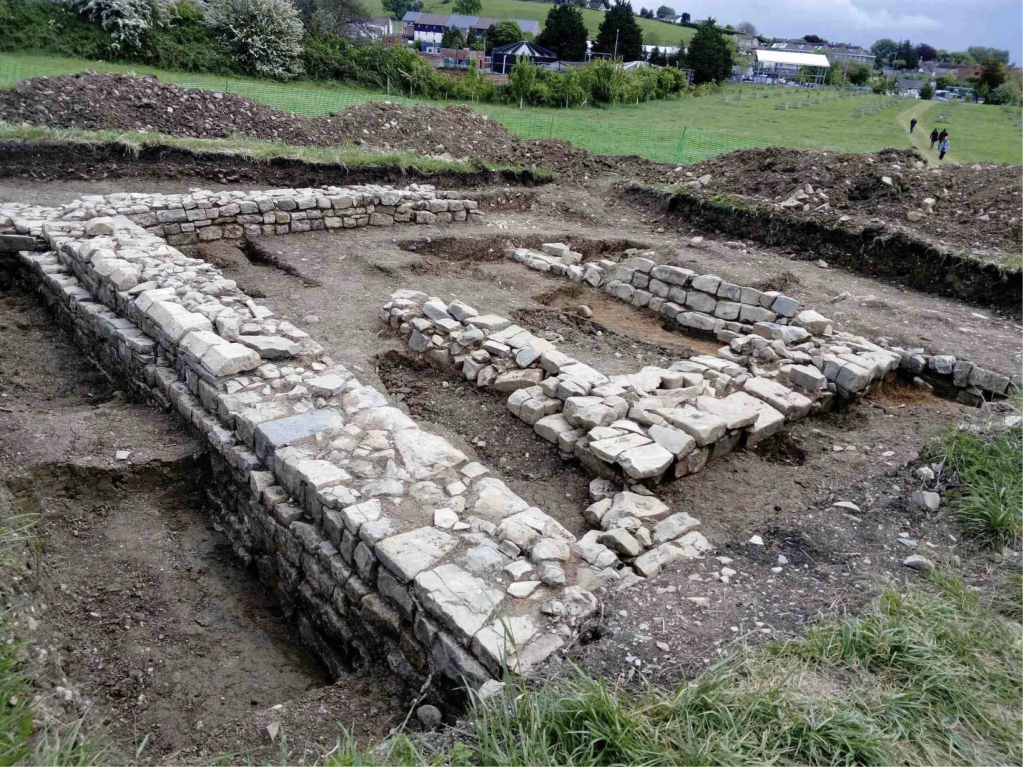
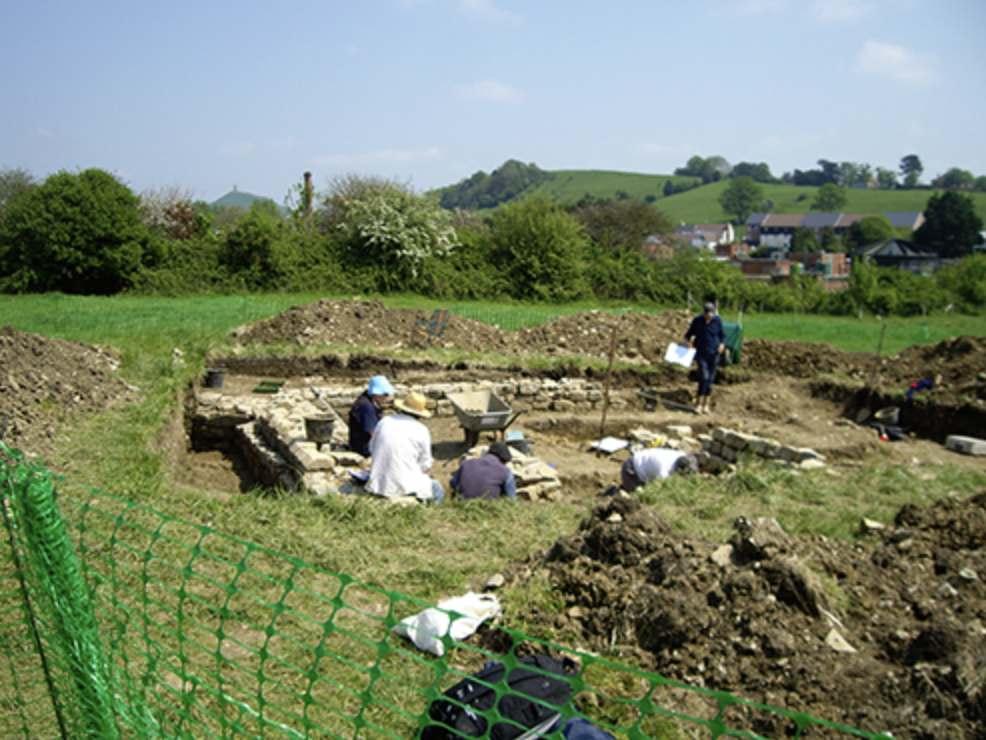
Bride’s Mound, also known historically as Bride’s Hill or St Brigid’s Chapel and Field, is one of Glastonbury’s oldest and most quietly treasured sacred places. Set on the edge of Beckery Island, it holds layers of history reaching back more than 1,500 years. Archaeological excavations have revealed that this was the earliest Celtic Christian monastic burial site in Britain, with burials dating to the fifth century AD. These early graves mostly male, aligned east–west in a Christian style suggest a small community or succession of Celtic Christian priests living here long before Glastonbury Abbey rose to prominence.
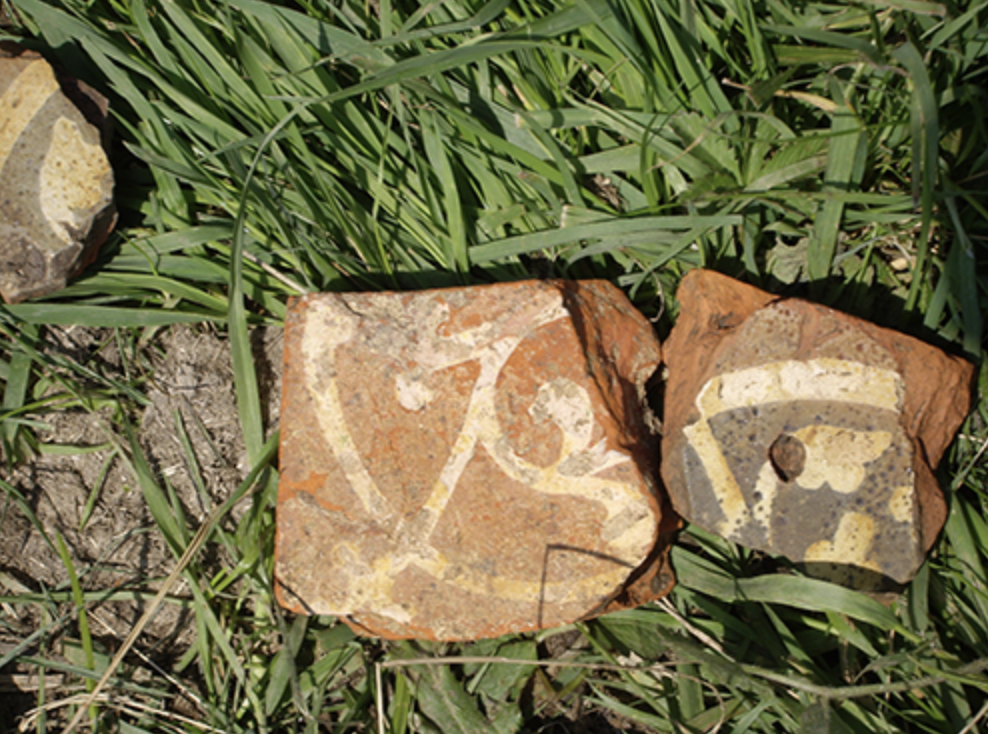
The site is deeply connected to both the Celtic goddess Bride/Brigid and to St Brigid of Kildare, who is said to have visited Glastonbury around 488 AD. Medieval writers described a chapel dedicated first to Mary Magdalene and later to St Brigid, marking the transition from ancient goddess traditions to early Christianity. Over the centuries, a Saxon chapel (c. 700 AD) and later a Norman stone chapel (c. 1000 AD) stood on the mound, and pilgrims travelled here on their way to Glastonbury Abbey. Legends even link the site to King Arthur, who was said to have received a vision here that led to his Christian conversion.
By the late 20th century, however, Bride’s Mound was largely unknown and vulnerable. Industrial development had already destroyed nearby archaeological sites, and the land was at risk again. In 1996, local residents formed The Friends of Bride’s Mound, a volunteer group dedicated to protecting the site’s archaeological, ecological, and spiritual value. Their work began much earlier, through annual Imbolc walks and community ceremonies that helped reawaken interest in the mound. The Friends researched the site’s history, challenged development plans, and succeeded in securing protection for the land. They have continued to care for it ever since, monitoring access, supporting clean-ups, promoting wildlife restoration, and keeping its heritage alive through public education and pilgrimage.
In recent years, renewed archaeological work has confirmed just how important Bride’s Mound is. Updated radiocarbon dating in 2016 pushed its origins back into the fifth century, making it older than Iona Abbey and confirming it as the earliest monastic site known in the UK.
This long-overlooked history is now beginning to receive national attention. Through the UK Government’s Town Deal programme, Glastonbury has been awarded funding to sensitively enhance the site for visitors. Plans include marking out the footprint of the ancient chapel, creating a small educational roundhouse, improving access, and supporting wildlife and habitat restoration. The aim is to help people understand and appreciate the deep historical and spiritual significance of the mound while honouring the decades of volunteer stewardship that have kept it safe.
From its roots in Celtic spirituality and early Christianity to its rediscovery and protection by local residents, Bride’s Mound remains a place of quiet beauty, pilgrimage, and living heritage. The Friends of Bride’s Mound continue to play a central role in guiding its future, ensuring that this ancient landscape is respected, cared for, and shared with generations to come.